
The Do Not Text Laws Arkansas aim to reduce distracted driving by prohibiting text messaging and non-navigation use of mobile devices while operating a vehicle. Strict enforcement has led to a 12% decrease in distraction-related fatalities. Penalties include fines up to $500, license suspension, and community service. Drivers should keep devices out of reach, use voice activation, and be aware of local restrictions. Adhering to these laws is vital for preventing accidents and saving lives.
In the modern era of digital communication, distracted driving poses a significant threat to road safety. Arkansas, like many states, has recognized this growing concern and implemented Do Not Text Laws to combat the dangers of texting behind the wheel. This comprehensive guide aims to demystify Arkansas's Do Not Text Law, equipping Little Rock drivers with essential knowledge to enhance their driving experience and ensure their well-being on the roads. We'll delve into the law's intricacies, its impact, and practical tips for compliance, empowering drivers to make informed choices while behind the wheel.
Understanding Arkansas Do Not Text Law

The Arkansas Do Not Text Law, a cornerstone of road safety legislation, was enacted to curb distracted driving, particularly texting while behind the wheel. This law reflects a growing national effort to address the alarming rise in accidents attributed to driver distraction. In Arkansas, it is illegal for drivers to hold or operate a mobile device while the vehicle is in motion, unless the device is used for navigation purposes. This means no sending texts, browsing social media, or playing games while driving—a measure designed to prevent fatal mistakes caused by texting and driving.
Enforcement of these Do Not Text Laws Arkansas has been met with positive results, according to state authorities. Data from recent years indicates a significant decrease in accidents involving distracted drivers. For instance, the Arkansas State Police reported a 12% drop in fatalities related to driver distraction in areas with stricter enforcement of the law. This statistic underscores the impact of such legislation on public safety. However, despite these laws, challenges remain; drivers must remain vigilant and understand their responsibilities under the Do Not Text Laws Arkansas to ensure both their safety and that of others on the road.
Practical advice for drivers includes keeping mobile devices out of reach while driving and enabling voice-activated features where available to minimize interaction with the device. Drivers should also be aware of local laws, as some areas in Arkansas have additional restrictions. Staying informed and adhering to these regulations is crucial not only to avoid penalties but primarily to prevent potential accidents and save lives. By embracing these measures, Arkansas drivers contribute to a safer transportation system.
Penalties & Fines: What to Expect

The penalties associated with Do Not Text Laws Arkansas are designed to deter distracted driving and protect public safety. If caught violating these laws, drivers can expect substantial fines and potential license suspension. The state has established strict penalties to address the growing concern of texting while driving. Fines typically range from $100 to $500, with the exact amount depending on the specific circumstances and any prior offenses. For example, a first-time offender may face a minimum fine of $100, while subsequent violations could result in penalties reaching the higher end of the spectrum.
In addition to financial penalties, drivers convicted under Do Not Text Laws Arkansas may suffer other consequences. These can include community service, vehicle impoundment, and points on their driving record. Repeated offenders are particularly at risk, as the state takes a zero-tolerance approach. Data from recent years indicates that distracted driving incidents have significantly reduced since the implementation of such laws, suggesting their effectiveness in encouraging safer road behavior.
To avoid these penalties, Arkansas drivers are encouraged to familiarize themselves with the Do Not Text Laws and practice responsible driving habits. This includes putting away mobile devices while behind the wheel and focusing solely on the road. By adhering to these regulations, drivers not only ensure their safety but also contribute to a more secure and predictable road environment for everyone in Little Rock and across Arkansas.
How It Impacts Drivers in Little Rock

The Arkansas Do Not Text Law is a comprehensive regulation designed to enhance road safety by preventing distracted driving. This law has a direct and profound impact on drivers in Little Rock, shaping their daily commutes and overall driving experience. In a city characterized by bustling highways and an extensive network of roads, staying focused while behind the wheel is more critical than ever.
For drivers in Little Rock, the Do Not Text Law serves as a constant reminder to keep their eyes on the road. The law prohibits the use of mobile devices for texting or any other non-emergency activity while operating a vehicle. This includes sending messages, browsing social media, or engaging in any behavior that distracts from safe driving practices. Violations can result in substantial fines and penalties, underscoring the law's seriousness. Local law enforcement agencies actively enforce this regulation, conducting regular campaigns to raise awareness and deter distracted driving.
Practical implications are evident in everyday scenarios. Drivers may need to adopt new habits, such as silencing notifications or using hands-free devices, to remain compliant. Schools and employers in Little Rock often emphasize the importance of these laws through educational programs and policy updates. By understanding and adhering to the Arkansas Do Not Text Law, drivers can significantly reduce the risk of accidents caused by distracted behavior, ultimately contributing to a safer community on the roads.
Exceptions & Exemptions Explained

In Arkansas, the Do Not Text Laws are designed to prevent distracted driving and keep roads safe. While these laws primarily prohibit sending or reading text messages while behind the wheel, there are several exceptions and exemptions that every Little Rock driver should be aware of. Understanding these nuances is crucial for adhering to the law and ensuring safety on Arkansas highways.
First, medical emergencies take precedence. If a driver needs to communicate with emergency responders or healthcare providers during an urgent situation, they are exempt from the Do Not Text Laws. Similarly, certain work-related communications are also allowed under specific conditions. For instance, if you're an emergency services provider responding to an incident or a trucker communicating with dispatchers about route changes, these activities fall outside the purview of Do Not Text Laws Arkansas. Additionally, devices used for navigation systems, such as GPS, are permitted as long as they aren't being used in a manner that diverts the driver's attention from the road.
However, it's essential to differentiate between these exemptions and safe driving practices. Even with these allowances, drivers must ensure their primary focus remains on the road. Using any device for non-emergency purposes, like browsing social media or playing games, while driving is still a violation. Remember, Arkansas Do Not Text Laws are in place for the collective safety of all road users. Staying informed about these exceptions empowers drivers to make responsible choices and contribute to a safer driving environment.
Promoting Safe Driving Through Compliance
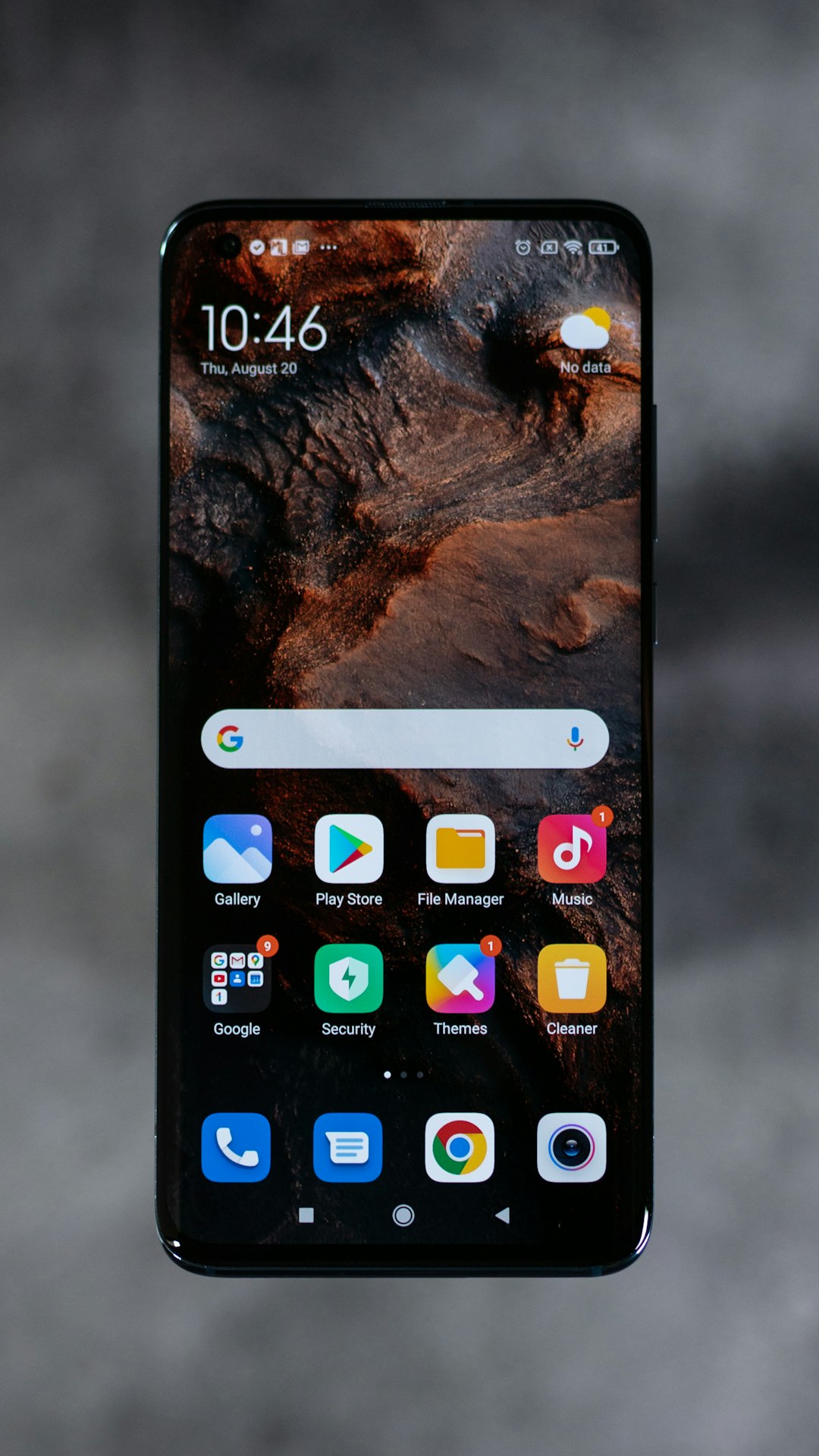
The Arkansas Do Not Text Law is a comprehensive initiative aimed at enhancing road safety by addressing one of the primary distractions behind the wheel: mobile device use. By understanding and adhering to this law, Little Rock drivers can play a crucial role in promoting safe driving practices and reducing accidents caused by text messaging while driving. The law prohibits drivers from using or holding any portable electronic device while operating a motor vehicle, except in cases where the device is used for navigation purposes.
Compliance with Do Not Text Laws Arkansas involves more than just avoiding penalties; it underscores a cultural shift towards responsible driving. Studies show that texting while driving increases the risk of a crash by 23 times. For instance, a 2017 report by the National Highway Traffic Safety Administration (NHTSA) revealed that in 2015, distracted driving, including text messaging, resulted in 3,450 deaths across the United States. In Arkansas, enforcement of these laws has led to positive outcomes, with increased awareness campaigns and stricter penalties for violations. Drivers are encouraged to keep their eyes on the road and avoid any form of mobile device interaction that could divert their attention.
To ensure safe driving, it’s essential for drivers to adopt habits such as enabling do-not-disturb modes, keeping phones out of reach while driving, and using hands-free devices only when necessary. Educational programs and public service announcements further reinforce the importance of these laws. By promoting compliance, Arkansas aims to create a safer driving environment where every traveler is protected from the dangers posed by distracted drivers. Ultimately, the collective effort of drivers heeding these laws can significantly reduce accidents and save lives on Arkansas roads.